
⚡ Episode 2 — Alien Ideas
Why AI Sometimes Thinks Beyond Human Intuition

Why AI Sometimes Thinks Beyond Human Intuition
Once you notice the shift, you can't unsee it.
A while back I started noticing something strange.
Not in the headlines.
Not in benchmark scores.
In the outputs.
Every now and then an AI would generate an idea that made me stop and stare for a second.
Not because it was brilliant.
Not because it was wrong.
Because it didn't feel like something a person would naturally come up with.
It still solved the problem.
It still made sense.
But it arrived there by a route I wouldn't have taken.
And after seeing enough examples, I started wondering:
What happens when intelligence doesn't share our instincts?
Most human thinking is built on experience.
We learn from mistakes.
We develop intuition.
We inherit assumptions from teachers, cultures, industries, and generations before us.
Over time, those assumptions become invisible.
They're simply how we see the world.
AI doesn't have that foundation.
It doesn't remember a childhood.
It doesn't have favorite places.
It doesn't carry scars, traditions, habits, or instincts.
What it has instead is something stranger.
It can move through possibilities without many of the mental shortcuts humans rely on.
Maybe the most interesting thing about AI isn't that it thinks like us.
It's that sometimes it doesn't.

Ideas That Arrive From Somewhere Else
One of the first places this becomes visible is science.
Researchers are increasingly using AI systems to explore possibilities that humans might overlook.
Not because scientists lack intelligence.
Because humans naturally develop instincts about what is worth pursuing.
Those instincts are incredibly valuable.
But they can also create blind spots.
Sometimes an AI proposes something that initially looks wrong.
- Unusual structures
- Unexpected combinations
- Designs that violate intuition
- Approaches experts wouldn't try first
And yet occasionally those strange paths lead somewhere useful.
That's the fascinating part.
Not that the machine knows more.
But that it explores differently.

The path looks wrong by every familiar measure.
The destination isn't.


Engineering Without Intuition
The same pattern appears in engineering.
Give a system a problem involving airflow, heat transfer, structural loads, or optimization.
Sometimes the result doesn't look engineered at all.
It looks grown.
Almost biological.
- Branching structures
- Unexpected asymmetry
- Shapes that appear chaotic
- Solutions that feel unnatural at first glance
Human engineers often call these solutions counterintuitive.
That word is interesting.
Counterintuitive means it pushes against instinct.
But what happens when there is no instinct to push against?

Some ideas look impossible right up until the moment they work.
The Artist Who Has Never Seen a Sunset
The strangest example might be art.
A painter remembers places.
A musician remembers heartbreak.
A writer remembers childhood.
Their work carries those experiences whether they realize it or not.
AI has none of that.
It has never watched rain hit a windshield.
Never stood beneath a night sky.
Never sat beside a campfire.
Never fallen in love.
Never lost someone.
Yet it can still generate images, music, and stories that feel surprisingly original.
That's the part I can't stop thinking about.
How can something create without remembering?
It has processed almost everything.
And experienced none of it.

The Gap Between Us
Humans share a common landscape of experience.
We understand one another because we've felt many of the same things.
Joy.
Loss.
Curiosity.
Fear.
That shared experience helps us communicate.
It also shapes the boundaries of our thinking.
We tend to dismiss similar ideas.
Avoid similar risks.
Follow similar assumptions.
AI doesn't share those boundaries.
It doesn't know which ideas are supposed to be obvious.
Or ridiculous.
Or impossible.
Sometimes that's a weakness.
Sometimes it's a strength.
And sometimes it leads somewhere unexpected.

A Larger Map of Possibility
The more I explore these systems, the less interested I become in whether they're intelligent.
I'm becoming interested in something else.
Whether they can help us discover ideas we would never find on our own.
Not because they're smarter.
Not because they're conscious.
But because they approach possibility from a different direction.
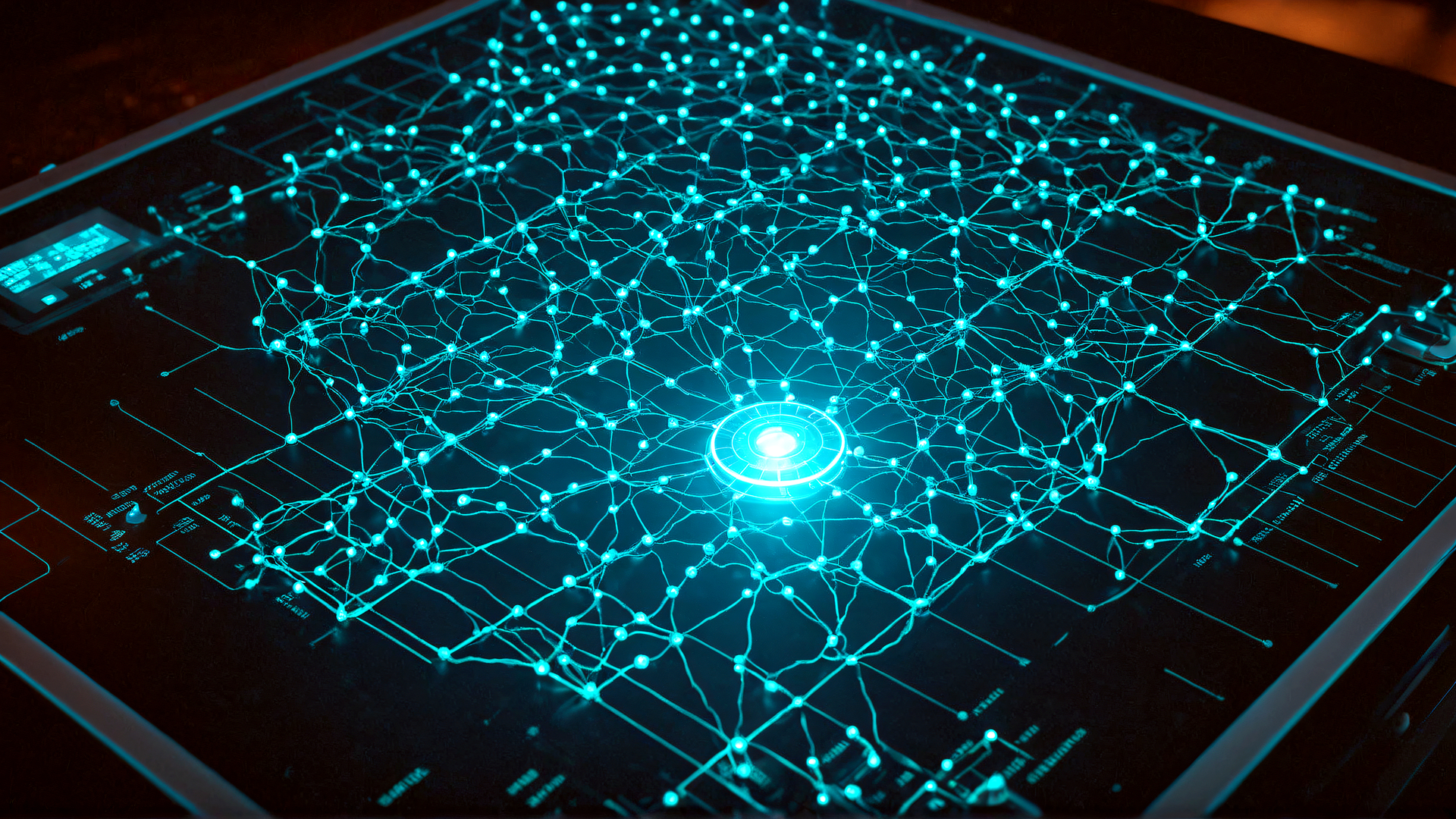
And if that's true, then the landscape of ideas may be much larger than we imagined.
Questions I'm Still Thinking About
- Can AI novelty emerge without human memory or lived experience?
- Are human cognitive blind spots hiding high-value innovation opportunities?
- What does synthetic creativity look like when it grows from patterns instead of memories?
- How many valuable AI-generated ideas get ignored because they feel counterintuitive?
Maybe the future of AI isn't about replacing human creativity.
We may be discovering that creativity can emerge in more than one way.
Maybe it's about expanding the space of ideas available to all of us.
And if that's the case, we're only beginning to explore the map.
Continue → Episode 3: Thinking With Something Else
Build Something Better
Ideas deserve a better home than a generic blog.
WebCraft Labz builds fast, polished websites for businesses and creators who want their ideas to feel premium from the first scroll.
Start a ProjectContinue Reading